
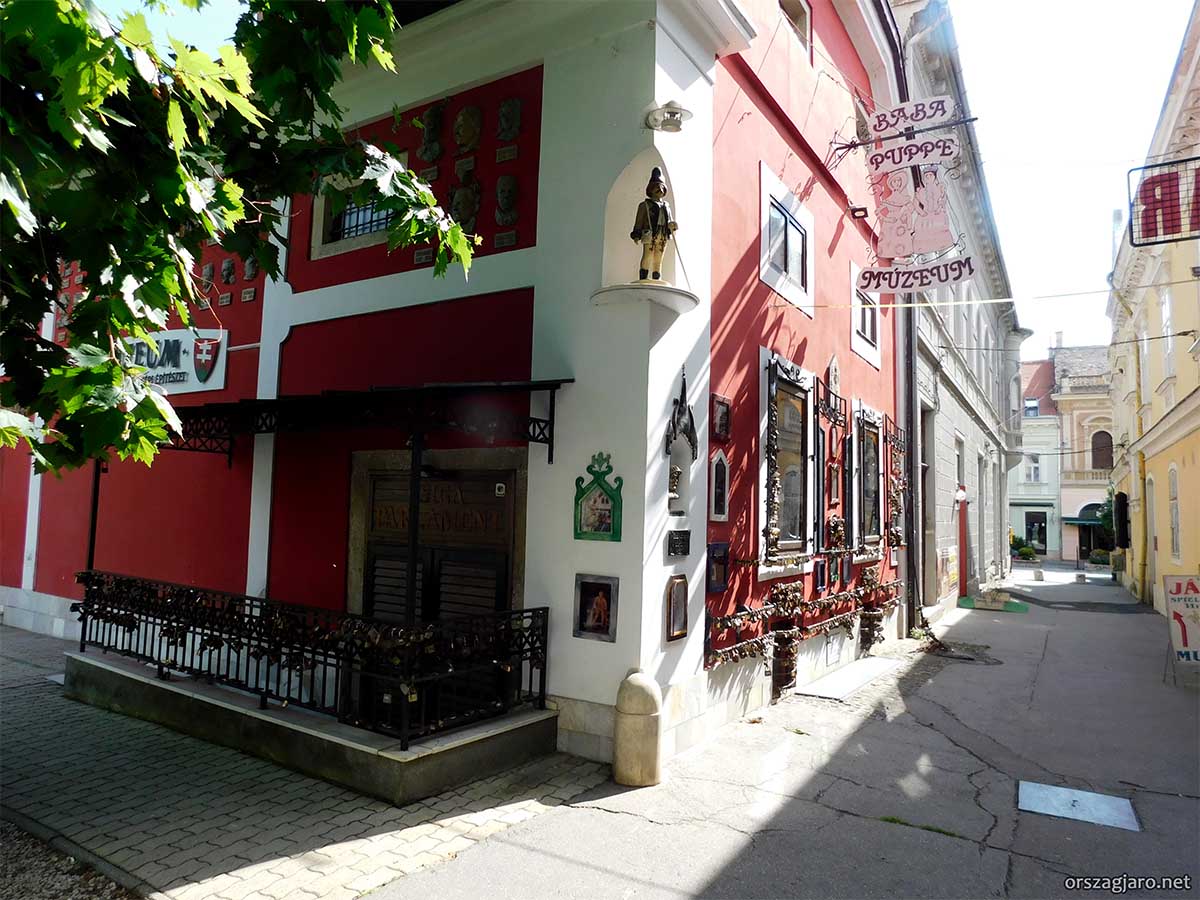
In the pedestrian street of downtown Keszthely, seven unique museums await visitors, offering exciting experiences for all age groups.
Exhibitions of the Downtown Keszthely Museums
- Doll Museum
- Historical Panopticon
- Toy Museum
- Snail Parliament
- Horrarium & Torture Museum
- Erotic Panopticon
- Nostalgia Museum
The exhibitions are open all year round.
Doll Museum
Opened at Pentecost in 1999 in a former granary building, the Keszthely Doll Museum is Central Europe’s largest folk costume doll museum. It presents the richest and most comprehensive miniature history of Hungarian folk costumes, including national, industrial, and traditional artisan attire.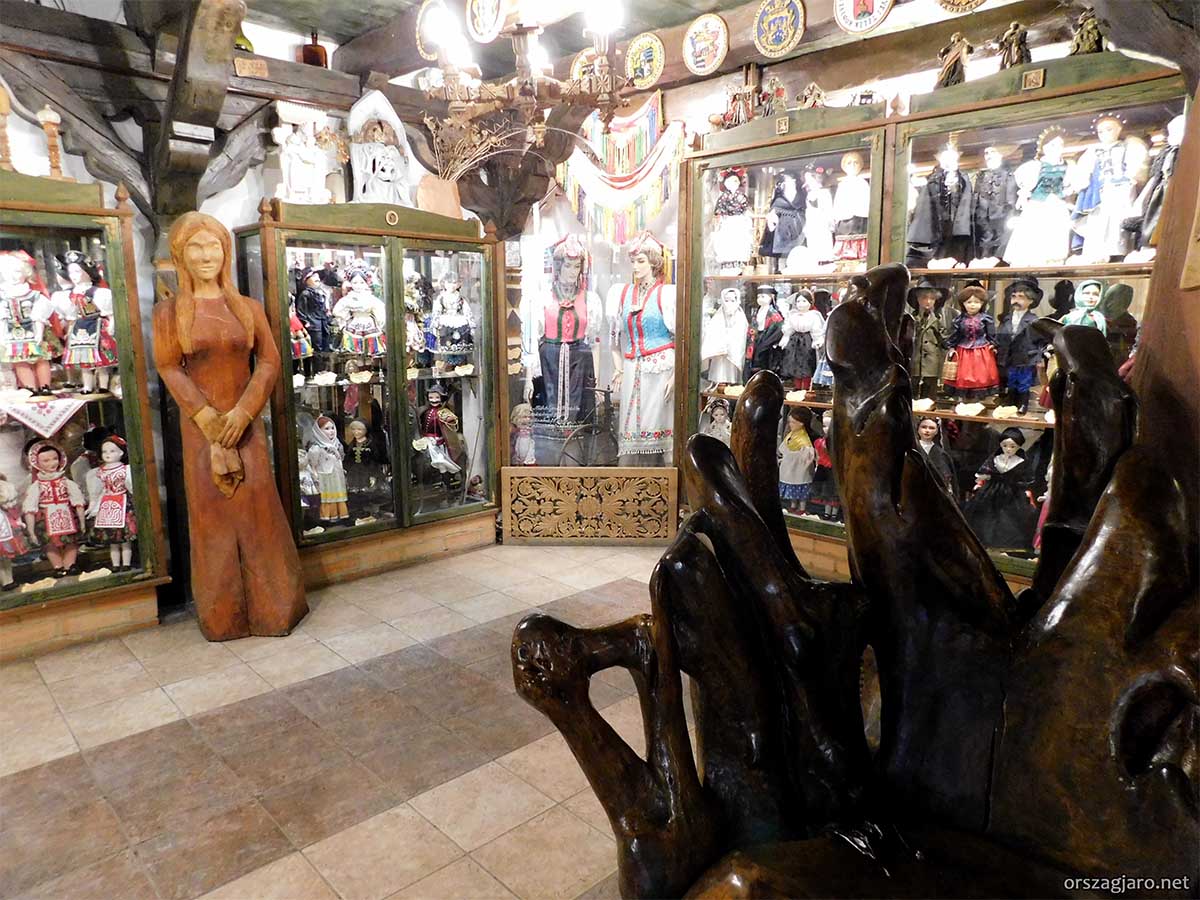
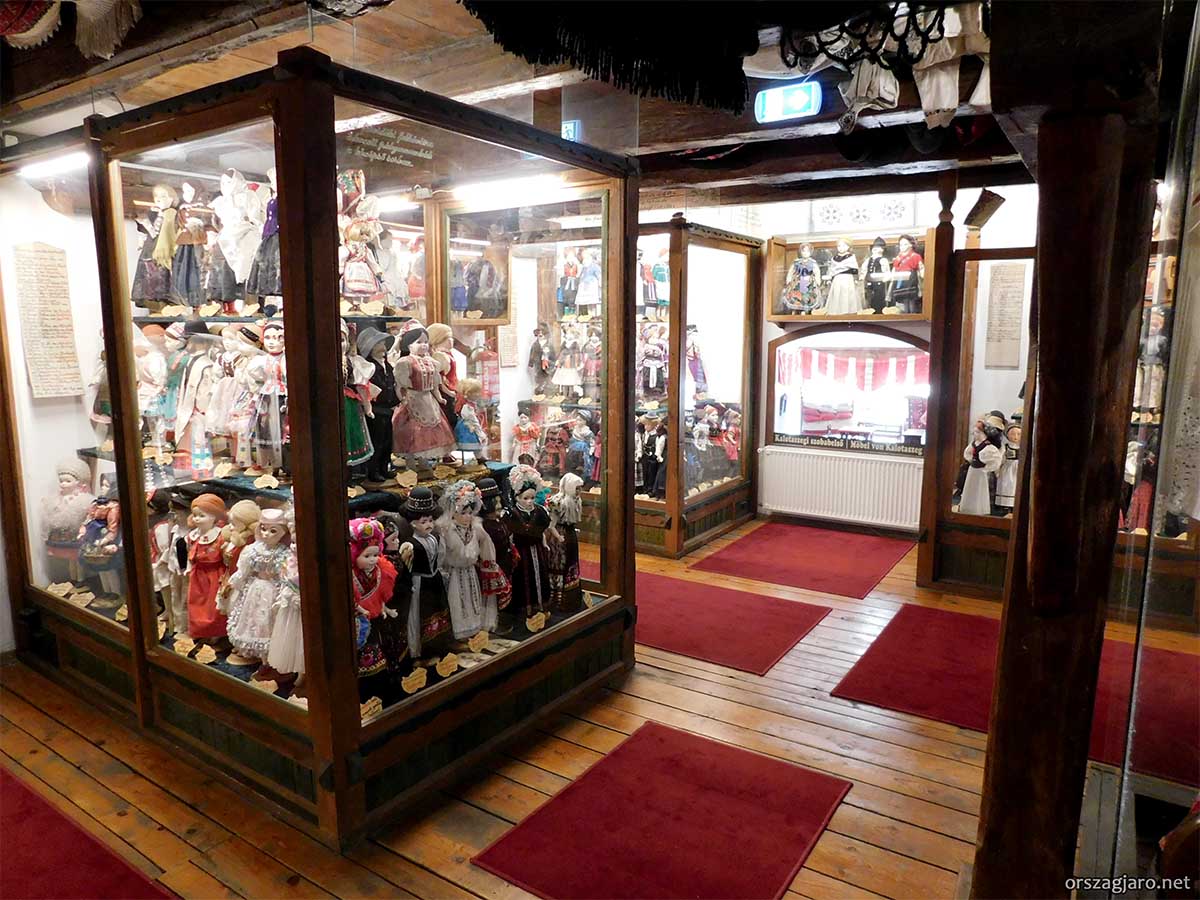
More than 700 large porcelain dolls showcase historical clothing traditions from Nitra to Subotica and from Devín to Orșova. Nearly 200 model buildings present Hungary’s folk architecture, including residential houses, churches, bell towers, Székely gates, mills, and various agricultural buildings.
Historical Panopticon
The Keszthely Historical Panopticon is the largest panopticon in Hungary, featuring over fifty lifelike wax figures of Hungarian historical figures, including kings, princes, military leaders, and poets.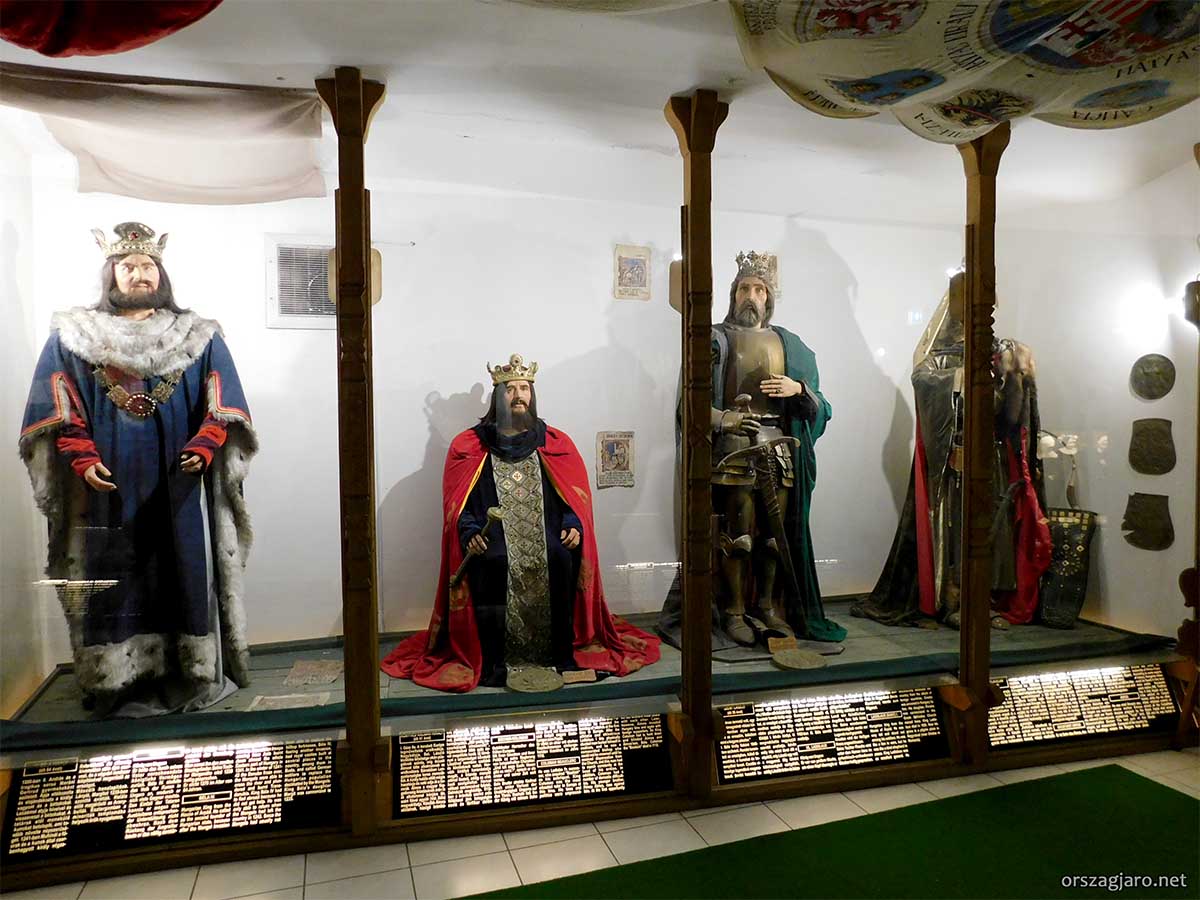
The exhibition is located in an extensive cellar system beneath the pedestrian street, with a structure dating back to the previous century, providing an authentic atmosphere.
Displayed across three levels and approximately 300 square meters, the exhibition presents nearly 720 folk costumes. On the first and second levels, visitors can admire the traditional attire of the Matyó, Palóc, and Kalocsa regions, while the third level features miniature models of their churches, houses, farm buildings, windmills, and watermills.
Toy Museum & Tüskevár Panopticon
The Toy Museum’s collection of approximately 15,000 toys presents the historical development of play. The exhibits are divided into four main categories: tool-based, physical, matchmaking, and intellectual games.The museum also houses the Matulárium, as well as memorial rooms dedicated to writers István Fekete and Dénes Wentzely.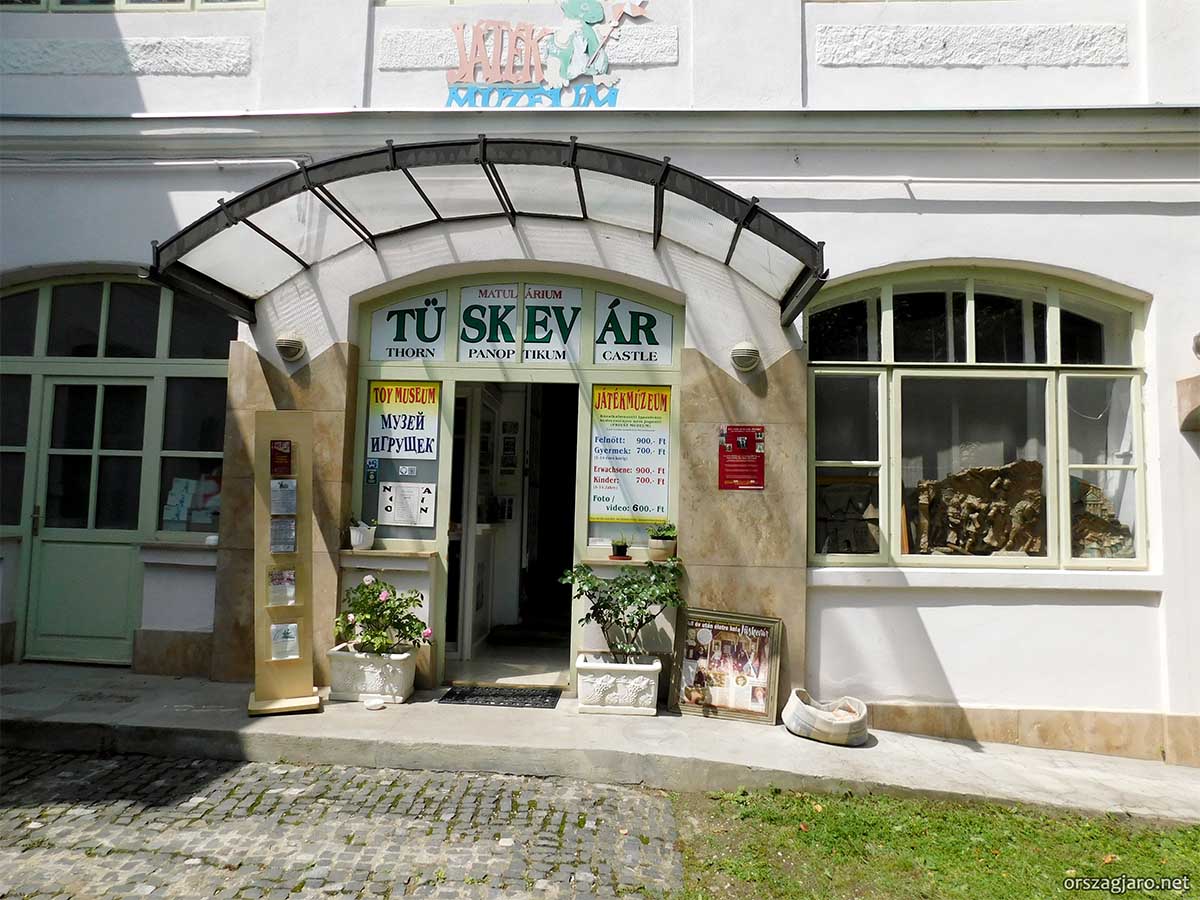
At the Vidor Toy Museum in Keszthely, toys for boys and girls are displayed separately, categorized by type and historical period.
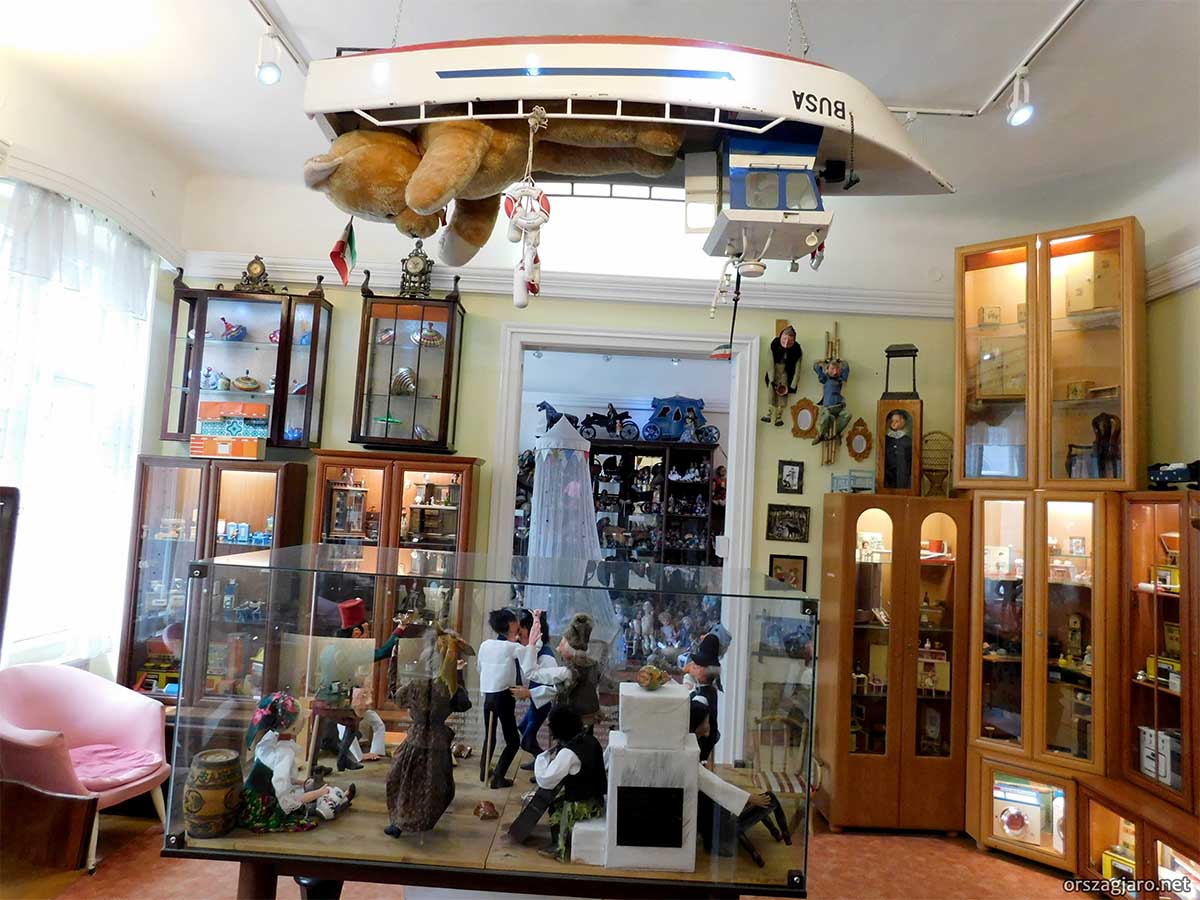
Visitors can admire baby carriages, sleds, tricycles, pedal cars hanging from the ceiling; thousands of Matchbox cars, Märklin and MÁV trains displayed between window panes; historical lead soldiers; dollhouses, washing and sewing machines from the girls’ toy collection; papier-mâché dolls; as well as the witches and will-o’-the-wisps created by folk artist Éva Zorkóczy.
Snail Parliament
The Snail Parliament is a unique scale model of the Hungarian Parliament Building, constructed entirely from snail shells at a 1:33 scale. It is one of the most remarkable exhibitions of the Downtown Keszthely Museums.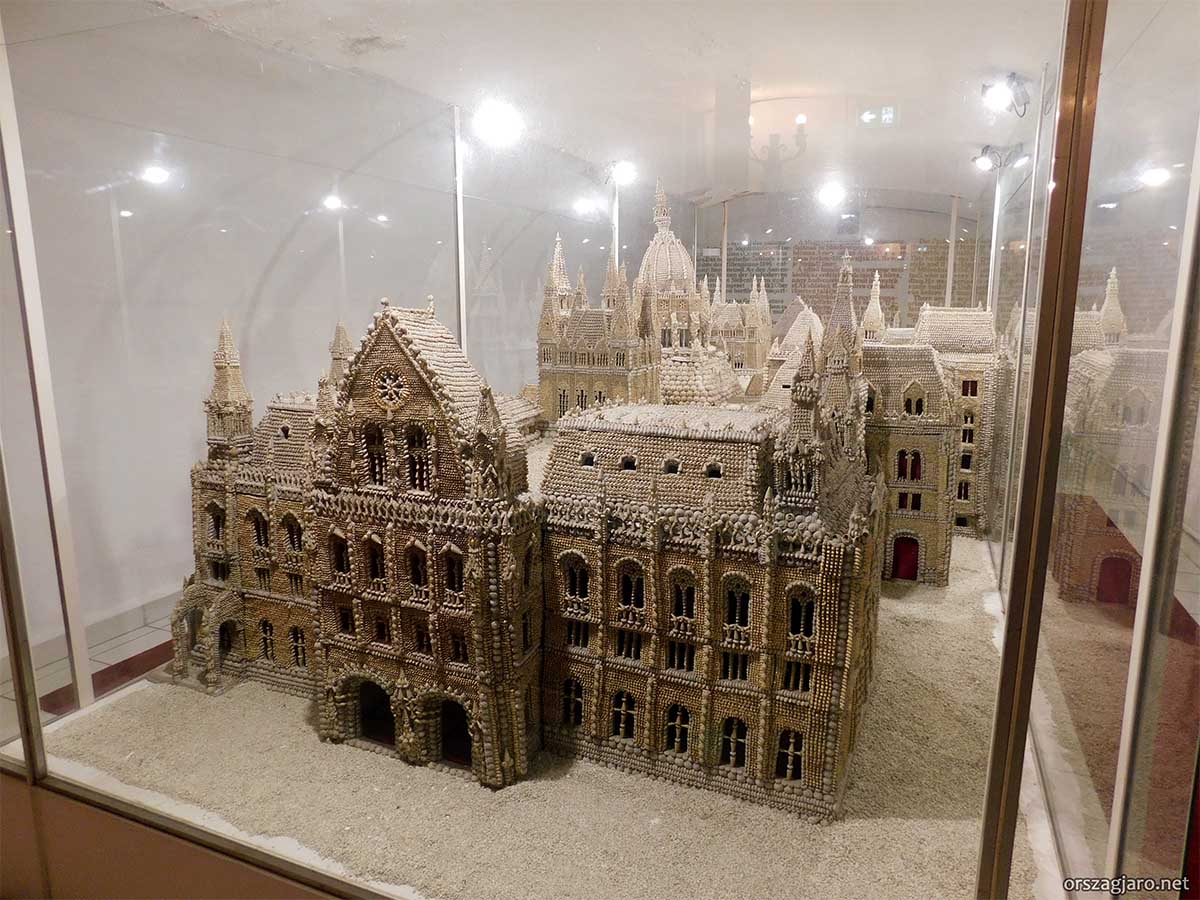
The model measures 7.5 meters in length and 2.5 meters in height. Its creator, Ilona Miskei (born 1920), worked on it for 14 years starting in 1975, using approximately 4.5 million Pannonian Sea snail shells.
In 1999, refusing foreign buyers, Ilona Miskei entrusted her masterpiece to the care of the Keszthely Costume History Museum. The exhibition, located in the Doll Museum, opened to the public on May 22, 1999, Pentecost Sunday.
Horrarium & Torture Museum
The Horrarium and Torture Museum of Keszthely presents selected methods of torture from the past 500 years through wax figures and illustrated images. Visitors can explore the brutal practices of the Dark Middle Ages, including Dutch, French, and Japanese methods, and encounter figures such as Dracula and the infamous Elizabeth Báthory of Čachtice.
The eerie atmosphere is enhanced by dim lighting and haunting background music. Students from the University of Fine Arts assisted in creating the exhibition.
Due to its intense content, the exhibition is recommended only for visitors with strong nerves.
Erotic Panopticon
The Erotic Panopticon presents selected scenes from 18th–19th century erotic literature, recreated in three-dimensional form. Approximately two dozen silicone figures were created by sculpture students from the University of Fine Arts, depicting the playful and sensual scenes.
The exhibition reveals a lesser-known side of the Enlightenment—the era of Voltaire, Rousseau, La Fontaine, and others—often referred to as the “Age of Reason.” These works, once widely read and popular, emphasized the right to pleasure and the importance of earthly enjoyment.
Address: 8360 Keszthely
Kossuth Lajos Street 11.